
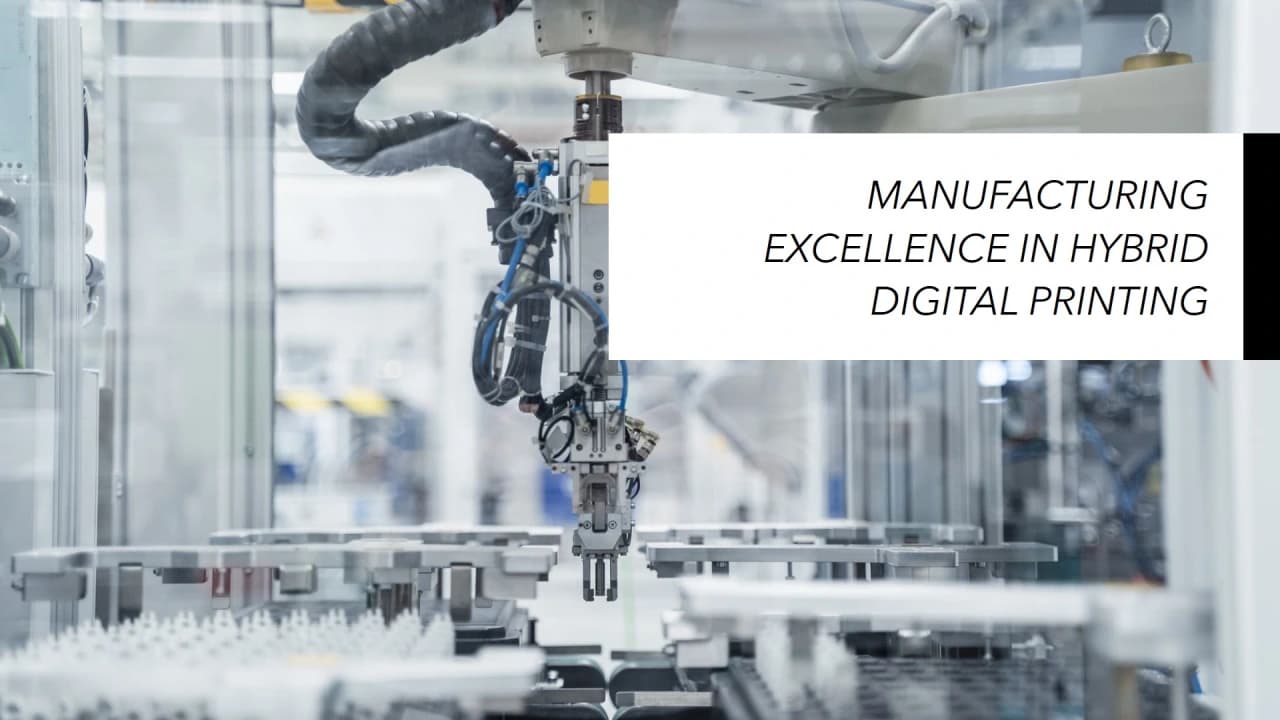
Introduction to Hybrid Digital Manufacturing
The manufacturing of hybrid digital printing machines represents a remarkable convergence of traditional engineering precision and modern digital innovation. These sophisticated machines, which combine conventional printing mechanisms with advanced digital controls, require manufacturing facilities that maintain exceptional standards while pushing the boundaries of production capabilities. The manufacturing process has evolved significantly over recent years, incorporating new technologies and methodologies to meet growing market demands.
Core Manufacturing Components and Integration
The foundation of hybrid digital printing machine manufacturing centers on the complex integration of mechanical and electronic systems. The process begins with the precision engineering of frame structures, utilizing advanced CNC machining centers that work with high-grade aluminum and steel components. These foundational elements must be manufactured to exacting tolerances, as they form the backbone of the printing system. The integration of conveyor systems demands micron-level accuracy in manufacturing, while specialized ink delivery systems require custom design and manufacturing processes that ensure consistent performance.
Electronic Systems Production
The electronic manufacturing aspect presents its own unique set of challenges and requirements. Manufacturing facilities must create and integrate sophisticated digital control units that serve as the brain of these printing systems. The production of high-resolution printhead assembly systems demands clean room conditions and specialized handling procedures. Additionally, manufacturers must incorporate advanced sensor arrays and quality control monitoring systems, all of which require precise calibration and testing during the production process.
Manufacturing Efficiency and Process Optimization
Manufacturing efficiency in hybrid digital printing machines has been significantly enhanced through the implementation of streamlined assembly processes and automated quality control systems. The adoption of modular design principles has revolutionized component production, allowing manufacturers to maintain higher quality standards while reducing production time and material waste. These improvements in manufacturing efficiency have directly translated to better product reliability and customer satisfaction.
Quality Control Systems and Standards
Quality control remains paramount in the manufacturing process, with manufacturers implementing comprehensive Six Sigma principles throughout their production lines. Real-time monitoring systems track every aspect of assembly, while automated testing protocols verify the performance of each component before final integration. This attention to quality during manufacturing ensures that the final product meets or exceeds customer expectations for both print quality and operational reliability.
Technical Challenges and Solutions
The manufacturing process faces several technical challenges that require innovative solutions. Maintaining precise tolerances during assembly, ensuring consistent electronic component integration, and managing complex fluid delivery system manufacturing all demand specialized expertise and equipment. Manufacturers have responded by implementing advanced manufacturing execution systems, creating climate-controlled assembly environments, and developing specialized training programs for their workforce.
Cost Management and Production Economics
Cost considerations play a crucial role in the manufacturing process, requiring careful balance between quality and efficiency. Initial tooling and equipment investments represent significant costs, as do component sourcing and inventory management. However, manufacturers have found success in implementing lean manufacturing principles and optimizing production scheduling to maintain cost-effectiveness without compromising quality.
Infrastructure Requirements and Facility Management
The manufacturing infrastructure for hybrid digital printing machines requires substantial investment in specialized facilities and equipment. Clean room assembly areas, advanced testing laboratories, and climate-controlled production spaces are essential for maintaining quality standards. Modern inventory management systems and digital manufacturing tracking capabilities ensure efficient production flow and quality consistency.
Future Manufacturing Trends and Innovation
Looking toward the future, manufacturing trends in hybrid digital printing machines continue to evolve. The integration of AI-driven manufacturing processes and advanced robotics in assembly shows promise for further improving production efficiency and quality. Additionally, the incorporation of 3D printing for component production and smart factory integration represents the next frontier in manufacturing technology.
Sustainable Manufacturing Practices
Sustainability has become increasingly important in manufacturing processes, with companies implementing energy-efficient production methods and sustainable material sourcing. Waste reduction strategies and eco-friendly packaging solutions demonstrate the industry's commitment to environmental responsibility while maintaining high manufacturing standards.
Market Impact and Customer Benefits
The impact of manufacturing quality on market success cannot be overstated. Superior build quality and reliable performance resulting from excellent manufacturing processes directly translate to customer satisfaction and brand loyalty. Companies that maintain high manufacturing standards while embracing new technologies continue to lead the market in producing these sophisticated machines.
Conclusion
The manufacturing of hybrid digital printing machines exemplifies the successful marriage of traditional manufacturing expertise with cutting-edge technology. As the industry continues to evolve, manufacturers who maintain their commitment to excellence while adapting to new technologies and methodologies will continue to drive innovation in this dynamic field. The future of hybrid digital printing machine manufacturing looks promising, with ongoing advances in technology and manufacturing processes ensuring continued improvement in product quality and performance.




