
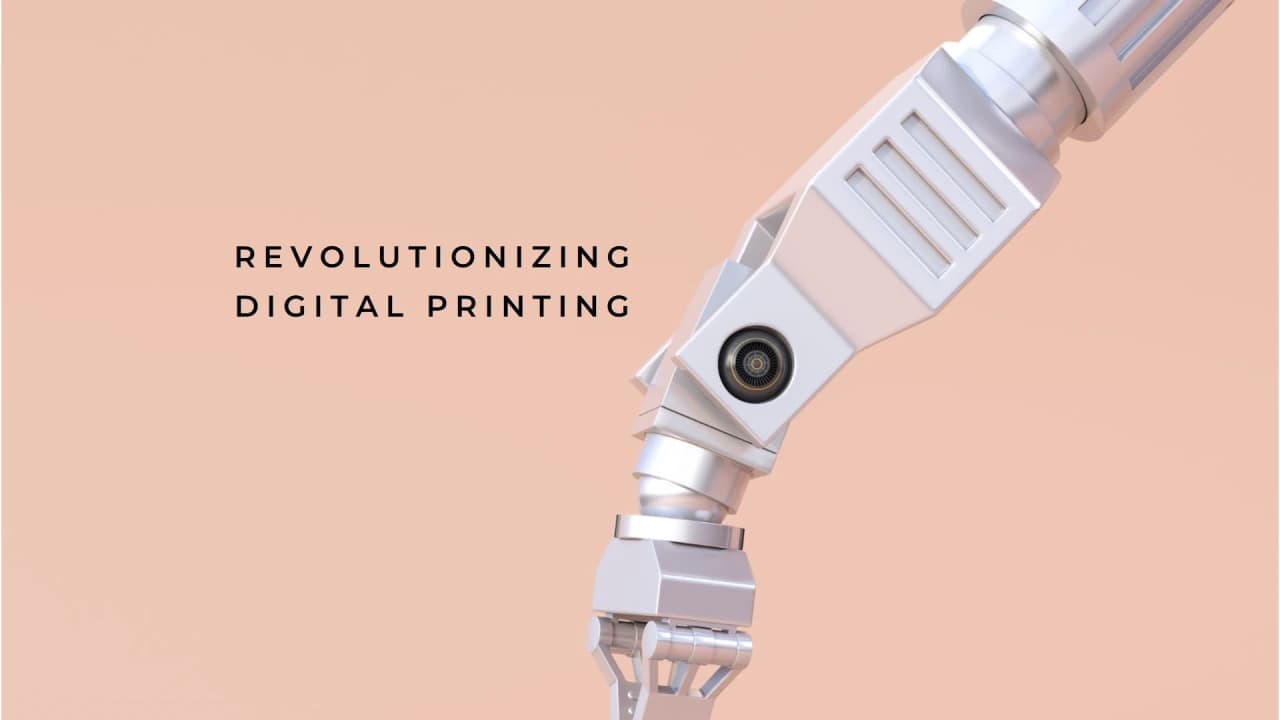
Robotic automation is revolutionizing the digital printing industry by enhancing efficiency, reducing labor costs, and improving quality control. As digital printing continues to evolve, robotic technologies are increasingly being integrated into various stages of production ranging from material handling and printing to finishing and packaging. These robotic systems are transforming traditional workflows, streamlining operations, and enabling manufacturers to meet the demands for faster turnaround times, higher precision, and more flexible production capabilities.
In this article, we will explore the key areas where robotic automation is making a significant impact in digital printing.
Material Handling and Loading/Unloading
One of the primary uses of robotics in the digital printing industry is in material handling. In many printing operations, loading and unloading materials such as paper, fabric, and plastics into and out of printers is a labor-intensive task. Robotic automation is helping businesses reduce human labor while enhancing the speed and accuracy of these processes.
Automated Quality Control and Inspection
Maintaining consistent print quality is a critical aspect of digital printing. Robotic systems integrated with vision systems and AI algorithms are playing a key role in real-time quality control.
Robotic Finishing and Cutting
In digital printing, post-press processes such as cutting, trimming, and finishing are crucial to delivering the final product. Robotic systems are being employed to automate these labor-intensive tasks, ensuring precision and reducing material waste.
Packaging and Palletizing
Robots are also used in the packaging and palletizing of printed products. These tasks, which once required significant manual labor, are now automated, resulting in faster, more accurate, and safer handling of finished goods.
Print Roll and Media Handling
In large-format printing, roll-to-roll systems are commonly used to handle large substrates such as banners or textiles. Robotic systems play a key role in improving the efficiency of these processes, enabling smoother and faster operations.
Post-Print Material Handling and Transport
After printing, materials often need to be moved between different stages of production. Automated Guided Vehicles (AGVs) and robotic transport systems are increasingly used to handle this material flow, optimizing production efficiency.
Robotic Workflow Management and Monitoring
Robotic systems are not only improving physical tasks in digital printing but are also enabling better workflow management and real-time monitoring.
Customization and Personalization
The demand for customized and personalized products has grown significantly, and robots are playing a crucial role in enabling this trend in digital printing.
Conclusion
The integration of robotic automation in the digital printing industry is driving significant improvements in efficiency, quality control, and production speed. From material handling and print quality inspection to post-print cutting, packaging, and shipping, robots are transforming the way print shops operate. This automation not only reduces labor costs but also enhances the consistency and accuracy of prints, leading to higher-quality products and faster turnaround times.
As robotic technologies continue to advance, the digital printing industry will likely see even more sophisticated applications of automation, including greater AI-driven decision-making, enhanced predictive maintenance, and the ability to handle more complex and diverse production requirements. For businesses looking to stay competitive, adopting robotic automation is becoming an essential strategy for scaling operations and meeting the growing demands of an increasingly fast-paced market.




